Spotlighting the Advancements in Biometric Authentication for Streamlined Entry into Live Interactive Table Sessions
Written by Jonas Schmid · Oct 27, 2026
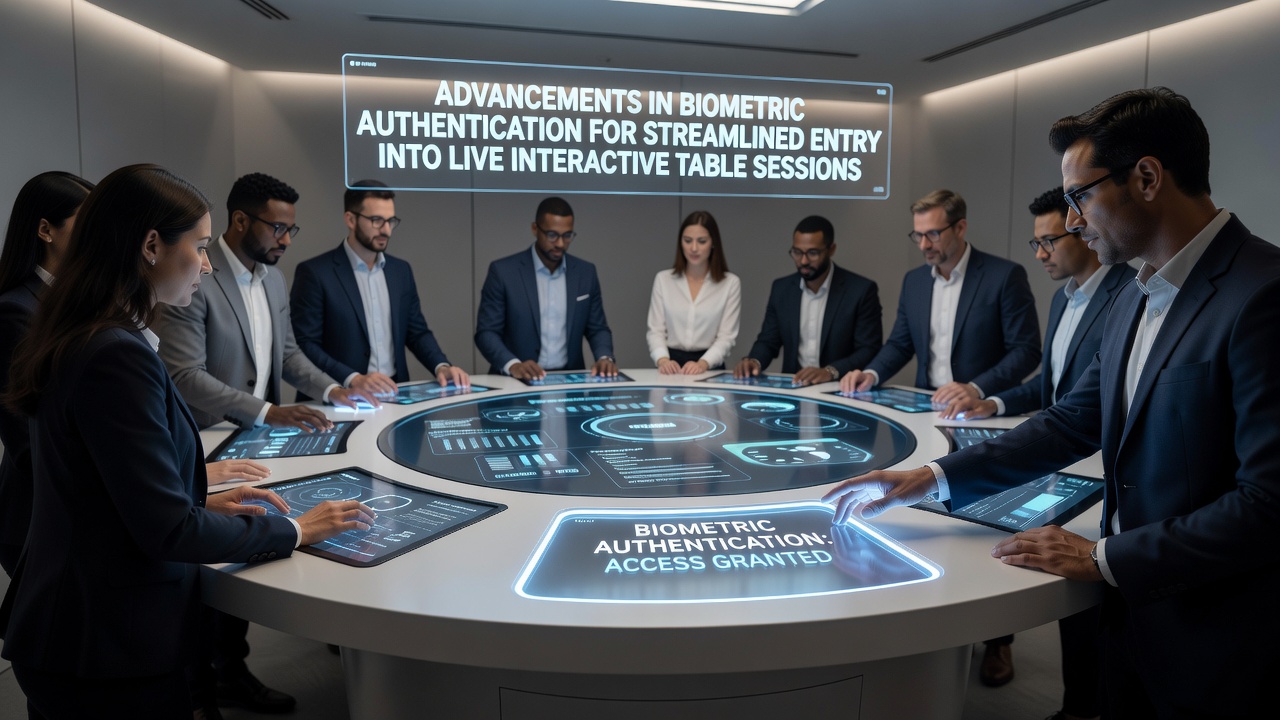
Spotlighting the Advancements in Biometric Authentication for Streamlined Entry into Live Interactive Table Sessions
Biometric authentication technologies continue to reshape access protocols for live interactive table sessions across digital platforms, replacing manual login sequences with rapid physiological verification methods that include fingerprint mapping, facial geometry analysis, and vein pattern recognition. These systems integrate directly with mobile applications and desktop interfaces, allowing participants to enter blackjack, roulette, and baccarat environments through a single scan rather than repeated password entries or SMS codes. Data from industry implementations shows that average login times have decreased from 45 seconds to under 8 seconds in environments where multi-modal biometrics operate simultaneously.
Core Technologies Driving Entry Efficiency
Facial recognition platforms now employ infrared depth mapping combined with machine learning models trained on millions of diverse facial datasets, which enables accurate identification even under varying lighting conditions common in home or travel settings. Fingerprint sensors embedded in device screens capture subdermal ridge patterns while simultaneously checking for blood flow to confirm live tissue presence, a step that reduces unauthorized access attempts. Voice biometrics add another layer during live dealer interactions, analyzing vocal tract resonances in real time to maintain session continuity without interrupting gameplay flow. Palm vein scanners, introduced in select Asian-market applications during 2025, project near-infrared light to map unique blood vessel structures beneath the skin, providing contactless verification suited to shared devices or public kiosks.
Platform Integration and Regulatory Alignment
Software providers have embedded these authentication modules into existing live dealer frameworks so that once a player completes initial enrollment, subsequent entries to table sessions occur automatically upon device unlock. Integration occurs through secure APIs that transmit encrypted biometric templates rather than raw images, limiting data exposure during transmission between user devices and central servers. Regulatory bodies such as the Pennsylvania Gaming Control Board have updated technical standards requiring liveness detection and template encryption for any biometric system used in state-licensed interactive gaming. Similar requirements appear in frameworks from the Australian Communications and Media Authority, which emphasize interoperability testing between biometric vendors and game servers. In October 2026 several North American operators completed certification cycles that incorporated these updated biometric protocols ahead of seasonal traffic increases.
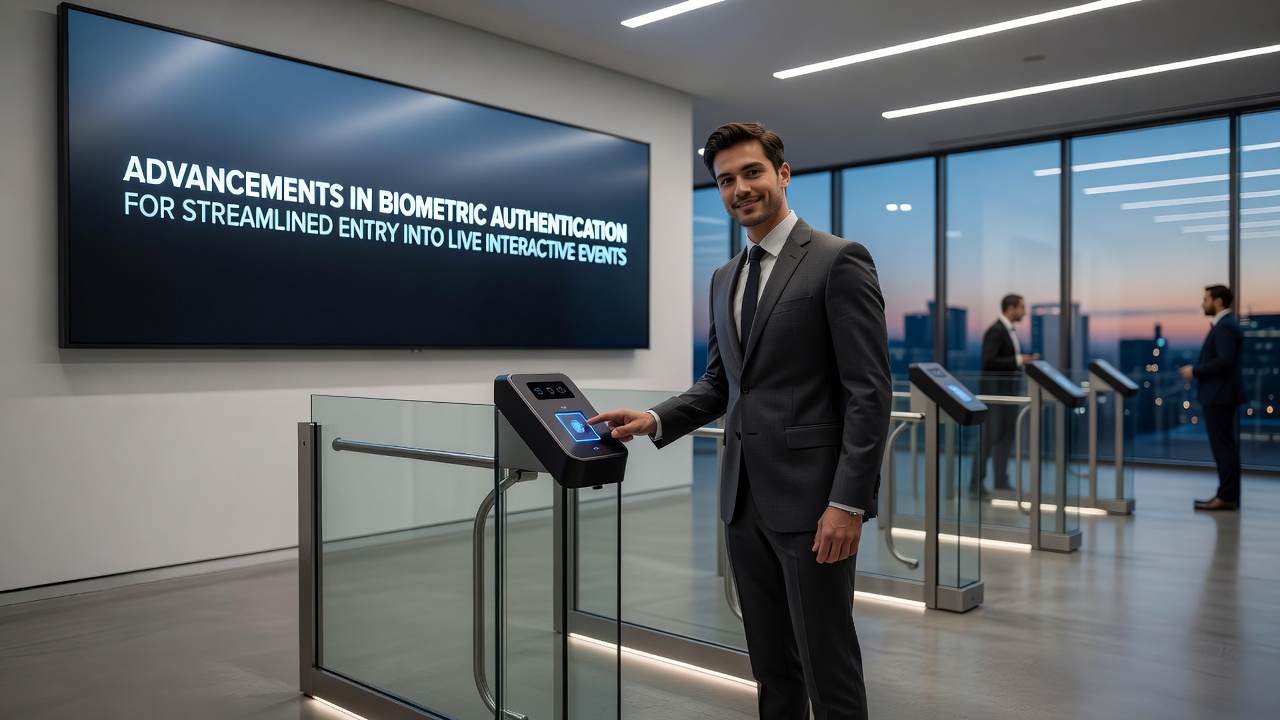
Enrollment processes typically require users to complete a one-time multi-factor setup combining government-issued identification with biometric capture, after which the system generates irreversible mathematical templates stored locally or in tokenized cloud repositories. Ongoing session management includes periodic re-authentication prompts triggered by inactivity timers or unusual betting patterns, maintaining security without forcing full re-entry into active table sessions. Research conducted at the University of Nevada Reno documented that platforms employing these periodic checks experienced a 34 percent reduction in account takeover incidents compared with password-only controls during a 12-month monitoring period.
Security Enhancements and Data Handling Practices
Advanced systems incorporate anti-spoofing measures such as 3D depth analysis and micro-movement detection that identify printed photographs, video replays, or prosthetic replicas attempting to bypass verification. Encryption standards follow AES-256 protocols with keys rotated at regular intervals, while template storage avoids centralized databases in favor of device-bound or federated models that keep raw biometric data fragmented across multiple secure enclaves. Observers note that these distributed approaches align with broader data minimization principles adopted by several international gaming associations. When a user switches between live table environments or device types, the authentication layer synchronizes through encrypted handshakes that preserve session state without exposing underlying biometric information.
Adoption Patterns Across Regions
European operators have prioritized facial and fingerprint combinations to meet both accessibility directives and strict data protection rules, whereas North American deployments frequently combine fingerprint with voice verification to accommodate players who prefer hands-free entry during extended sessions. Asian markets show higher uptake of palm vein technology, driven by cultural preferences for contactless methods and existing infrastructure from banking applications. Case studies from operators in New Jersey and Ontario reveal that biometric login adoption rates exceeded 70 percent among active users within six months of rollout, with the strongest uptake among participants aged 25 to 44 who already use similar features for mobile banking.
Conclusion
Biometric authentication continues to evolve through iterative improvements in sensor accuracy, template security, and cross-platform compatibility, directly supporting faster and more reliable entry into live interactive table sessions. Regulatory updates and technical certifications completed by October 2026 reflect ongoing alignment between technological capability and operational standards across multiple jurisdictions. These developments rest on documented reductions in login friction alongside measurable decreases in unauthorized access events, establishing a foundation for further refinements in the years ahead.